
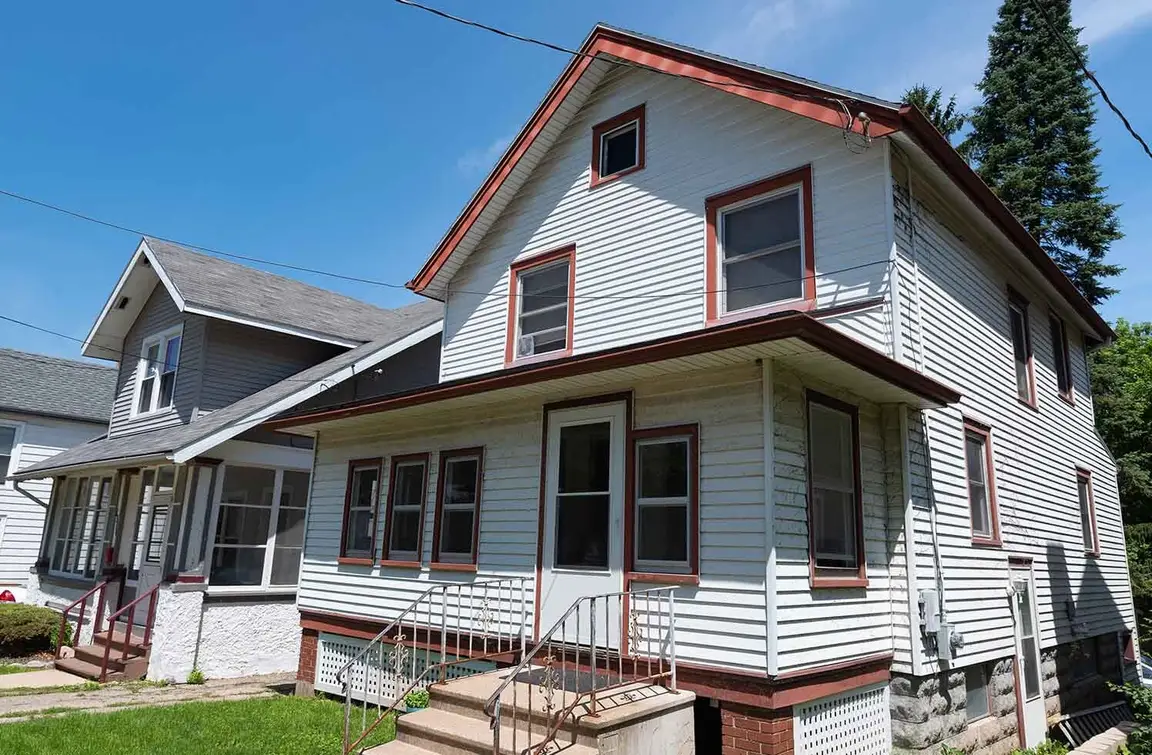
Navigating probate properties can be overwhelming during an already difficult time of loss. This guide is designed to provide clear, straightforward information for homeowners dealing with the probate process. We’ll explain what probate means, outline your options, and show you how to successfully sell a property in probate while maximizing your return—all with the compassion and expertise you deserve during this transition.
What is a Probate?
When someone passes away—whether they left a will assigning assets to beneficiaries or died intestate (without a will)—their assets immediately become the responsibility of either their estate’s executor or the Court. Probate comes in two forms: informal and formal. Informal probate involves limited court oversight, typically when there’s an original will or no disputes about heir identity. This article focuses on formal probate—the more complex process that occurs when the estate has significant debt, the will is contested, or the original will is missing, requiring Court involvement to resolve these complications.
Can a House Be Sold While in Probate?
Yes, it absolutely can! Depending on how the estate was structured, a probate property can be sold by three possible parties: the executor named in the will to manage the estate distribution; the administrator appointed by the Court when someone dies intestate but has heirs; or the Court itself when there’s an intestate situation with no heirs seeking administration. Once it’s determined who has authority over the property—whether executor, administrator, or Court—the process of petitioning to sell the probate property can begin.
What Does it Take to Sell a House in Washington While in Probate?
An executor’s primary duty is preserving the estate’s assets for distribution to heirs or beneficiaries according to the will. However, sometimes estates face significant challenges—outstanding debts to creditors, neglected properties with back taxes, or other financial obligations. In these situations, the executor, administrator, or Court has the authority to sell the property to settle these debts, even when heirs exist who might prefer to keep the property.
Consider this real-world example: An elderly woman passes away with an appointed executor and two heirs. At the time of her death, she has accumulated $80,000 in hospital bills and $10,000 in credit card debt, totaling $90,000. She leaves behind a home worth $150,000 but no liquid assets to cover these obligations. Despite her passing, these debts remain the responsibility of her estate. If the heirs cannot pay these debts themselves, the executor must sell the property to satisfy the $90,000 in outstanding obligations. After the sale, the remaining $60,000 would be divided between the two heirs.
A property in probate may also need to be sold when someone dies without a will and has no immediate heirs. In this situation, the Court can order the property sold with any proceeds being distributed to the closest living relatives, following the state’s intestacy laws.
Steps for Selling a House in Probate
If you’re dealing with a property in WA caught in probate and feeling overwhelmed about how to proceed, we have good news—there are clear solutions available. Depending on local and state regulations, selling a probate property typically follows four main steps. The first crucial step is having an executor or administrator appointed if one wasn’t already designated in the deceased’s will.
Once you’re established as the executor (or you and the executor agree on next steps), you gain the authority to decide whether selling is the right choice. Whether the estate faces creditor obligations or you’ve inherited a distant property that doesn’t make practical sense to maintain, you can choose to sell and move forward. However, before marketing the property, you’ll need a professional appraisal. After completing this valuation, you can petition the Court for permission to sell—either by owner (FSBO), through an experienced probate-knowledgeable realtor, or directly to a specialized investor who understands these unique transactions.
Decide How to Sell the Property:

Valuation or Appraisal
The first crucial step is determining your property’s true market value. You’ll need a professional valuation from someone who understands probate properties or hire a qualified appraiser familiar with local probate laws. This is especially important since many courts require properties to sell for at least 90% of the appraised value. Working with an appraiser experienced in probate matters helps ensure you get an accurate assessment—not an inflated one that could potentially complicate your sale later.

Listing the House
With appraisal in hand, you, the executor, and/or your attorney will need to file an intention to sell with the court. This petition includes the appraised value and your preferred selling method—whether that’s auction, traditional listing, or selling directly to an investor like us. Once approved, you can officially list the property. No matter which path you choose—selling yourself, working with a real estate agent, or dealing directly with a cash buyer—having someone with probate property experience is essential. The right guidance can make all the difference in navigating this complex process with clarity and confidence.

Offers
When evaluating offers, it’s important to first clarify your priorities. Do you need a quick, stress-free sale to settle estate debts? Are you willing to wait longer for potentially higher profits? Is the property distressed or outdated, requiring a buyer who specializes in renovations? As Certified Probate Experts, we understand these considerations play a crucial role in determining not just when to list a probate property, but also which offer makes the most sense for your specific situation.
Being clear about what you need to accomplish with this sale will help guide your decision-making process as you move toward the next step…

Notice of Proposed Action
Once you receive an offer, the buyer must understand that the sale can only be completed after court confirmation. While this should be disclosed upfront, buyers without probate experience might be deterred by the extended timeline. This waiting period is one reason why probate properties are sometimes passed over, even when priced competitively. As local experts specializing in probate properties, we’re accustomed to these timelines and can work within them. If a buyer does proceed with an offer and accepts the waiting period, the Court will review their bid before issuing an order approving the property sale.

Bidding
In auction scenarios, a probate property can be marketed as available before the Court finalizes an Approval to Sale, attracting more potential bidders. The Court typically oversees these auctions, which follow strict guidelines and procedures. Because of these complexities, auctions are generally used as a last resort. After someone wins the bidding, the executor petitions the court to authorize the sale. However, if any heirs object, the sale could be halted while the Court determines next steps—adding another layer of complexity that experienced probate specialists like us can help navigate.

Finalization of Sale
We hope your property sale proceeds smoothly and directly. Even if you’ve encountered challenges along the way, once the Court accepts an offer, you’re in the home stretch. The executor or attorney will need to file a final account and petition for distribution. After Court approval, title documents can be signed, making the sale official. Our team at Sound Home Buyer specializes in making this entire process as straightforward and stress-free as possible, providing the clear guidance and local expertise you need during what can be a complicated transition.
Who Buys Houses in Probate?
We do! Sound Home Buyer is a direct house buying company that has built our reputation on buying houses for cash with less stress and less fees. Contact us today and get a competitive cash offer for that house or property that’s stuck in probate. We buy homes in any condition. We can help you with the convoluted process of selling a house in probate, making the process faster and as stress-free as possible.
Mistakes to Avoid When Selling a Probate Property
Rushing Through Important Decisions
After losing a loved one, families often feel pressured to sell inherited property quickly to create space for grieving. Similarly, when estate debt is accumulating interest monthly, executors or administrators might undervalue the home to expedite the sale and settle financial obligations. This rushed approach frequently happens with properties needing significant repairs or updates that beneficiaries aren’t willing to fund. In these emotional situations, many choose to substantially discount the property’s price to facilitate a quick as-is sale.
Overlooking Disclosure Requirements
Real Estate Disclosure laws can be just as complex as navigating probate, with requirements varying significantly by state. These regulations mandate sellers to disclose specific property issues (like lead paint or asbestos) to potential buyers before finalizing the sale.
Most states require written disclosure of “material defects” from sellers and their agents. According to the National Association of Certified Home Inspectors, these are defined as “…a specific issue with a system or component of a residential property that may have a significant, adverse impact on the value of the property, or that poses an unreasonable risk to people. The fact that a system or component is near, at or beyond the end of its normal useful life is not, in itself, a material defect.”
While experienced real estate professionals understand these requirements, inheriting a house you’ve never lived in creates a unique challenge. How can you accurately disclose conditions you’ve never experienced? Fortunately, in many states, executors and sellers of probate properties may be exempt from standard disclosure requirements precisely because they lack firsthand knowledge of the property’s condition.
If you’re uncertain about your state’s requirements, consulting with a probate real estate specialist can provide clarity and peace of mind. As a certified Probate Expert, we understand these complexities and can guide you through your options. Consider working with an experienced, local investor who regularly handles probate properties and willingly accepts the risks associated with limited disclosure situations. Remember, you don’t have to navigate this challenging process alone – there are multiple solutions available that prioritize your needs and circumstances.
Failing to Hire a Lawyer
We cannot stress this enough – partnering with a knowledgeable real estate attorney experienced in probate matters can transform your journey through this complex process! Their expertise will not only help you petition the Court properly so you can list that property for sale, but they’ll provide clear, compassionate guidance through each legal step needed to sell that unwanted house with minimal stress and frustration. Even a consultation can reveal crucial blind spots in the probate process that might otherwise cause significant delays or complications for you and your family.
Waiting Too Long to Start the Probate Process
When you lose a loved one, it’s natural for grief to temporarily put everything else on hold. However, the probate property doesn’t wait – property taxes continue accumulating, utility bills keep arriving, and mortgage payments remain due regardless of your emotional state. Delaying the probate process can quickly cause estate expenses to mount, depleting available assets and potentially creating a financial burden during an already difficult time. Taking action promptly, even while processing your grief, can protect the estate’s value and prevent additional stress down the road.
Related Articles
Who Buys Houses in Probate?
We do! Sound Home Buyer is a direct house buying company that has built our reputation on buying houses for cash with less stress and less fees. Contact us today and get a competitive cash offer for that house or property that’s stuck in probate. We buy homes in any condition. We can help you with the convoluted process of selling a house in probate, making the process faster and as stress-free as possible.